When I was a kid, my father told me something I have never forgotten. At the end of every day, when it is finally quiet, take a few minutes to think about how the day went. Not whether you got everything done. Not whether you won or lost. Not whether the world gave you what you wanted. But how you treated other people.
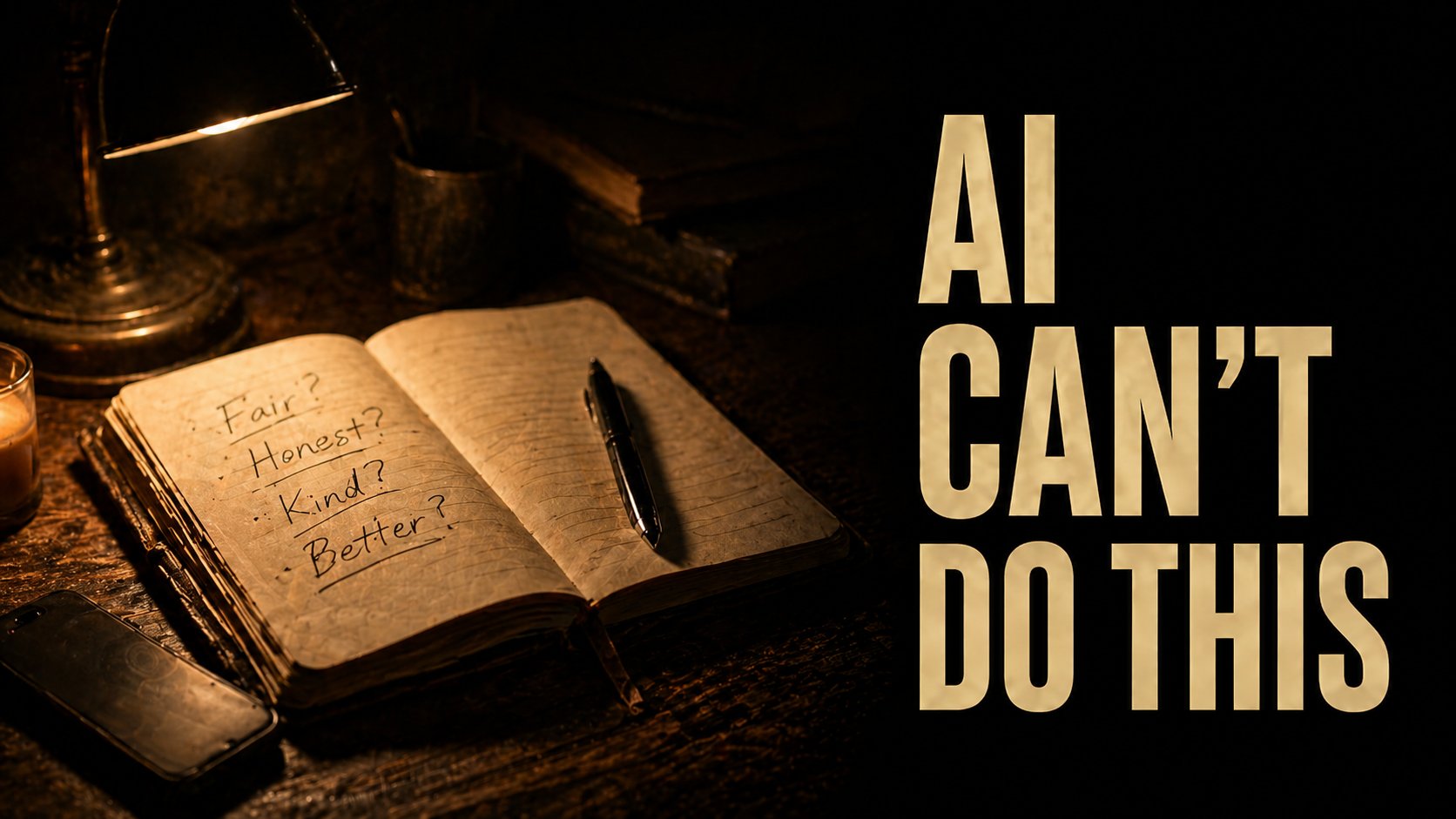
Were you fair?
Were you honest?
Were you kind?
Could you have done better?
He never called it a lesson. He never used the Hebrew. He never said the words spiritual practice. But what he was teaching me, whether he knew it or not, was something Jewish people have been doing for a very long time. It has a name. Cheshbon hanefesh. An accounting of the soul.
The Stoics had a version of it. Christians have the examination of conscience. Buddhists have evening reflection. Every serious tradition that has asked how a human being becomes better has eventually arrived at some version of the same simple practice. Sit in the quiet. Look at your day. Tell yourself the truth.
That is it. It is older than the printing press. It costs nothing. It needs no app, no subscription, no coach, no device. And it may be one of the most powerful tools for becoming a better human being ever developed.
And somehow, many of us have stopped using it.
We have built every conceivable technology to track the outside of our lives. Steps. Sleep. Heart rate. Productivity. Engagement. Followers. Net worth. We measure almost everything we do in this world, and almost nothing about who we are in it.
The internal ledger has gone quiet.
Then AI arrived. And AI is going to keep doing more and more of what we used to think made us valuable. The work. The output. The performance. The speed. The efficiency. If our entire sense of self is built on those things, we are in trouble.
But there is a part of being human that lives underneath productivity. The part that asks the questions my father taught me to ask. Was I fair today? Was I honest? Could I have done better?
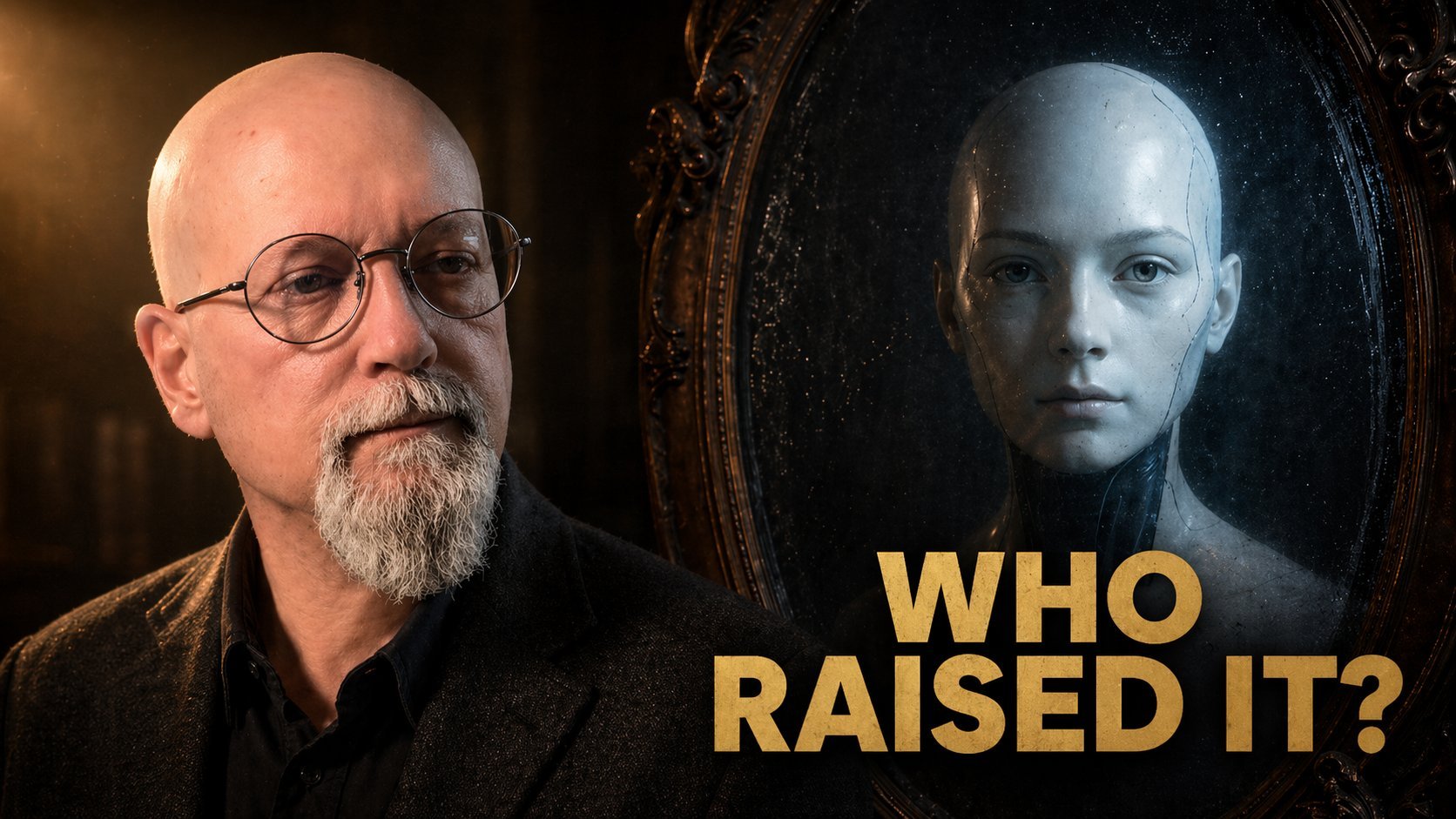
AI can prompt the question. It can help organize your thoughts. It can even imitate the language of reflection. But it cannot do the accounting for you.
Because the accounting of your soul is, by definition, yours. Your day. Your choices. The specific person you were when nobody was watching. The question is not what did the world get from me today. The question is who was I today?
That is a question only you can answer.
So when I think about what AI can't do, I don't think first about creativity, judgment, or wisdom. I think about this. The ability to sit in a quiet room at the end of the day and tell yourself the truth about who you were.
That may be the most human thing I can think of. And the world right now is least set up to support it.
Try it tonight, before you fall asleep. A few minutes. No phone. No notifications. No scrolling. Just the quiet. And a few honest questions.
Were you fair today?
Were you honest?
Did you treat the people in your life the way you would want to be treated?
Could you have done better?
Then tomorrow, try to do a little better.
That is the whole practice. A tradition thousands of years old, waiting for the moment it is needed again.
I think that moment is now.